Dog’s Guilty Look Exposed: That sad puppy face after chaos—real remorse or clever dodge? Hilarious truth will shock you!
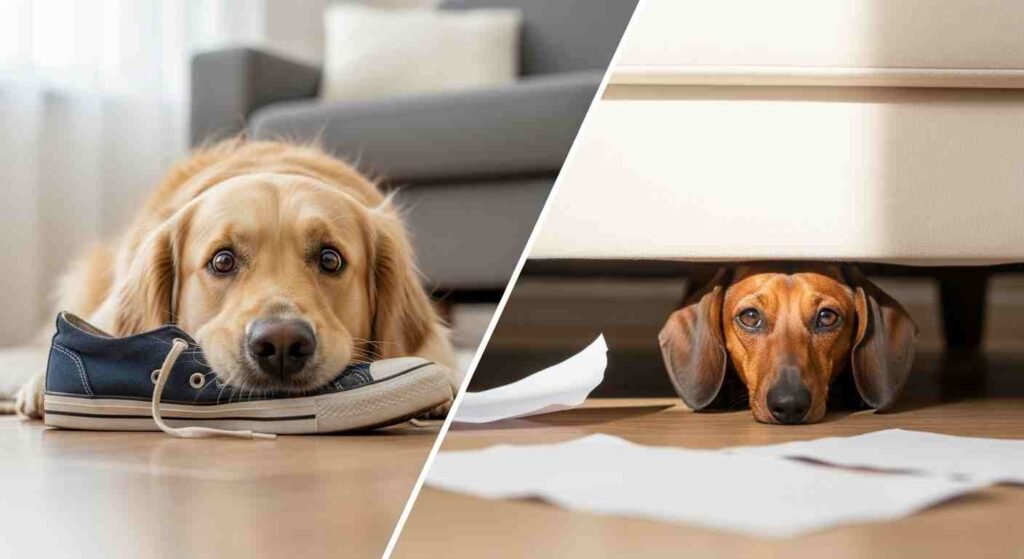
Coming home to a mess is never fun: a sneaker in pieces, trash scattered across the floor, or a couch pillow torn to fluff. But then you spot the dog, huddled in a corner, eyes wide, ears down, tail tucked tight like they’re trying to vanish. That guilty look lands like a well-placed joke, turning a scowl into a reluctant grin. It’s the kind of thing that makes people whip out their phones, snapping a photo to text friends or share online for a flood of laughs. Dogs have this knack for making chaos feel like a gift, and that sheepish face is their best move.
But what’s really behind those big, sad eyes? Are dogs actually sorry, or just dodging a lecture? Some pet owners are sure their pups know they’ve messed up, while researchers say it’s more about survival than regret. This funny little habit gets people talking, powers videos that spread like crazy, and keeps dog lovers glued to their screens. With some science, a few real-life stories, and a bit of humor, this piece digs into why that guilty stare hooks everyone. By the end, a mangled shoe might just spark a chuckle instead of a sigh.

What Starts That Sorry-Looking Face?
Dogs don’t wake up planning to wreck the place, but trouble seems to follow them. Picture the usual disasters: a stolen slice of pizza, a shredded blanket, or a shoe turned into a chew toy. When the owner walks in, the dog’s face shifts. The head drops low, eyes slide away, and the body slumps like they’re hoping to disappear. Sometimes a hesitant tail twitch or a soft grumble slips out, like they’re muttering, “Can we skip the yelling?”
This isn’t just cute—it’s baked into their instincts. Wolves, their wild cousins, used similar moves to calm down tense pack moments, like lowering their heads to avoid a scrap. Modern dogs pull the same trick to dodge a scolding. Things like tipping over the trash, digging up flowerbeds, or gnawing on shoes often set it off. Dogs lean into this look harder when owners sound upset, even if the pup’s in the clear. It’s like they’re catching the vibe—maybe a sharp voice or a finger pointing their way sparks it.
Every dog’s got a different take. A Labrador might flop into a pile of fluff, looking pitiful, while a terrier tilts its head for extra charm. Tiny pups like Yorkies might duck under a table, peeking out with a “not me” face. Big dogs like mastiffs try to shrink—and it’s hilarious when they can’t pull it off. These quirks make every mess feel like its own little tale, turning a trashed room into something worth telling friends about. Some dogs seem to own up right away; others act like the shoe just exploded on its own. That mix of predictable and unexpected keeps people laughing.
Are Dogs Really Feeling Bad?
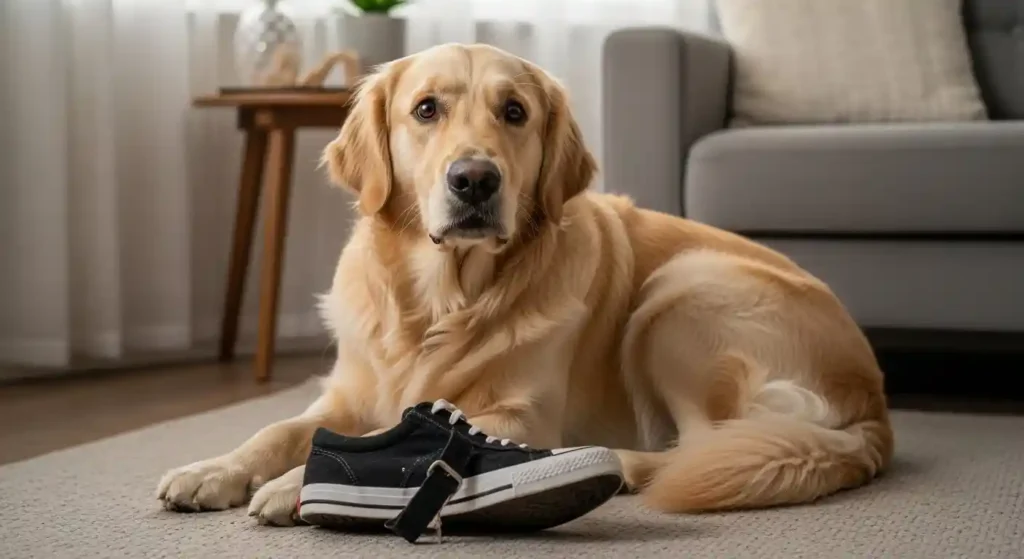
Science drops a surprise: dogs don’t feel guilt like humans do. Guilt needs a sense of right and wrong, plus some self-reflection—stuff dogs aren’t wired for. That sad face is more about reacting to an owner’s mood, like a raised voice or a disappointed glare. Experiments have shown dogs look “guilty” more when scolded, even if they didn’t touch anything they weren’t supposed to. It’s about avoiding trouble, not feeling sorry.
This ties back to wolf packs, where lowering the body or avoiding eye contact kept things calm. Dogs turned this into an “apology bow” to get on humans’ good sides. It’s clever—why get in hot water when a droopy face works better? Some think dogs might feel a basic kind of regret, like linking “chewed couch” to “owner’s mad.” But it’s not the kind of guilt that makes you apologize to a friend.
Still, plenty of owners swear their dogs know they’ve blown it. People share tales of pups hiding stolen socks or slipping away before the mess is found. One story told of a spaniel who ripped up a rug but strutted around until the owner’s frown showed up. Dogs live in the moment, not dwelling on screw-ups, but they’re sharp at picking up human emotions. They mirror moods, using that stare to patch things up. This tug-of-war—owners seeing remorse, experts seeing instinct—keeps the debate spicy. It’s not a trick; it’s just dogs figuring out how to live with humans.

Why Guilty Dogs Are a Hit Online
A dog caught looking sheepish on camera spreads faster than a rumor. Years back, a yellow Lab’s sneaky glances while being asked about missing snacks blew up, grabbing millions of views. Why? It’s something every dog owner knows by heart. Clips like these keep going, showing dogs “blaming” their buddies or playing innocent with big, dramatic sighs. One video had a poodle faking a limp to avoid a car ride, flipping the guilt back on its owner. These bits grab eyes because they’re short, funny, and hit right in the feels.
Social platforms love this stuff. New posts show dogs pointing paws at housemates or sitting in “timeout” after stealing a burger. A husky’s “oops” face after trashing a couch had folks swooning. The humor’s in the over-the-top acting—dogs looking like kids caught with candy, complete with slow blinks and whiny sounds. These moments hit big where dogs are a big deal, like in the U.S., because they capture stuff everyone gets. Who hasn’t gone soft mid-scolding because of those eyes? It’s like a burst of happiness, mixing tenderness and silliness in a flash.
And here’s the thing—those clips aren’t just for giggles. They sneak in this reminder, y’know? Like, yelling at your dog every time? It wears ’em down, makes ’em jittery. The good ones, though—they show folks easing up, petting instead of pointing. It’s messy, but it works: a laugh, then a quiet “hey, maybe try that next time.” Ends up with more happy dogs and people feeling a little less guilty themselves.

Why That Look Feels So Close to Home
Man, that face just… gets ya. Reminds you of your buddy back in school, stammering through some dumb excuse after skipping class. Dogs? They’re us on four legs, tripping over their own paws and grinning through it. And shoes—oh, the shoes. One bite mark, and suddenly your crappy Tuesday’s a story. Hilarious how a ruined sneaker flips the script from “ugh” to “aw, look at him.”
Then you post it, and bam—comments roll in: “Mine too! Total copycat.” That half-denial, the “shoes… much” wink? It melts the mad right away. Suddenly you’re smiling at the slobber. And damn, those old memories hit—your first dog snatching toast off the table, or the one who turned slippers into confetti. Feels fuzzy, yeah, but kinda aches too. Dogs need us to cut ’em slack; they’re all in, no matter what. That’s the real pull—goofy mess wrapped in something tender.
These moments pull people together. In a busy world, a dog’s guilty look feels like a quick hug, a chance to slow down and smile. Memories of old pets sneaking food or shredding slippers creep in, stirring up warm fuzzies. But there’s a softer side: dogs count on humans to go easy, and that neediness tugs at something protective. It’s a blend of goofy and gentle that makes these stories stick, perfect for passing around chats or feeds.

From Wild Roots to Pet Life
That guilty look started long ago. Wolves would lower their heads or tuck their tails to avoid pack fights, showing they weren’t trouble. Dogs built on that, especially as humans bred them for faces that hit all the right spots. Now, dogs are better than any animal at reading human moods, tweaking their behavior to keep things calm.
But not all dogs do it the same. Huskies might stare back like they don’t care, while golden retrievers collapse into a sorry pile. That’s breeding at work—some dogs just play it up more. The modern “apology bow” might include a belly roll or a paw nudge, all to win humans over. It makes you think: are people accidentally making dogs nervous? Responding gently helps turn that look into something fun instead of scared.

Tips to Deal with the Mess
See that guilty face? Don’t shout—it just makes things worse. Focus on praising the good stuff, like giving treats for staying calm. Crates keep shoes safe when nobody’s home. Get toys that feel like what dogs want to chew, like sturdy ropes or rubber bones. Keep them moving—a good walk or game cuts down on bored chewing. Hide tempting stuff or use bitter sprays dogs don’t like. If the trouble keeps up, a trainer can check if it’s anxiety looking like guilt.
Stick to clear rules. Dogs get confused when things keep changing. Set them up to expect pets or treats for doing right, and that guilty face might turn into a happy one. It’s about working together, not being in charge.
Wrapping Up the Doggy Drama
That guilty dog stare—half giggle, half heartstring pull—is why dogs are so loved. It’s not real guilt, just a smart mix of instinct and charm that wins people over. From videos that make everyone laugh to science that explains the magic, this quirk shows how much fun comes from life’s little messes. Next time a dog flashes those “it wasn’t me” eyes over a wrecked shoe, just smile. They’re not out to cause problems; they’re family, bringing love with a dash of chaos. Got a story about a guilty dog? Share it—it might just make someone’s day.


“Animal lover and storyteller, Nalin shares heartwarming and viral pet moments that bring joy to pet parents everywhere. With a passion for furry friends and their quirks, he creates fun, relatable content on Pawcareguide that celebrates the love, laughter, and everyday adventures pets bring into our lives.”